At first, this sounds like an easy question.
Clients ask it all the time — and honestly, I wish there were a simple answer.
People want a number. A clear one. Like ordering a croissant at a bakery: you point, you pay, you’re done. No follow-up questions.
But photography doesn’t work that way.
Let’s say someone emails me and asks:
“How much would it cost to photograph a slice of chocolate cake?”
Seems simple, right? Just one cake. One photo.
Except… not really.
First question: where does the cake come from?
Is the client providing it? Do I need to source it? Bake it? Find the perfect version that won’t melt, crack, or look tired under studio lights?
Then comes the look.
Is this a clean, bright shot on a white background? Or a cozy café mood with crumbs, a fork, linen napkins, and a cup of coffee casually sitting in the frame? Those two images tell very different stories — and require very different setups.
And yes, someone always says:
“But it’s just cake.”
I get it. But “just cake” can quickly turn into hours of planning, prop sourcing, testing light, styling, shooting, cleaning, reshooting… and then retouching everything until it looks effortless.
That “effortless” look is usually the most work.
Why details matter
Every small decision affects the final cost:
• Do we need extra props or surfaces?
• Natural light or studio lighting?
• One quick image or a hero shot for a website banner?
• Simple retouching or detailed post-production?
If I quote a price without asking these questions, I’m basically guessing. And guessing is how photographers end up paying for projects out of their own pocket.
Two very different shoots, same subject
Imagine the same bakery asking for two options.
Option one: the simple shot
One slice of cake, neutral background, minimal styling. The bakery provides the dessert. The shoot takes a couple of hours. Clean, professional, and perfect for social media.
What you’re paying for:
• Photographer’s time
• Basic setup and lighting
• Professional equipment
• Standard retouching
Option two: the hero image
Now we’re telling a story. The cake is cut, crumbs fall naturally, steam rises from coffee in the background. Textures, layers, mood. Maybe more than one cake to get that perfect slice. Careful lighting, tethered shooting, detailed editing.
Same “one photo” — but a completely different level of work.
And that’s the key thing most people don’t see.
So what are you really paying for?
You’re not paying for a button press.
You’re paying for experience, planning, problem-solving, taste, consistency, and responsibility for the final result.
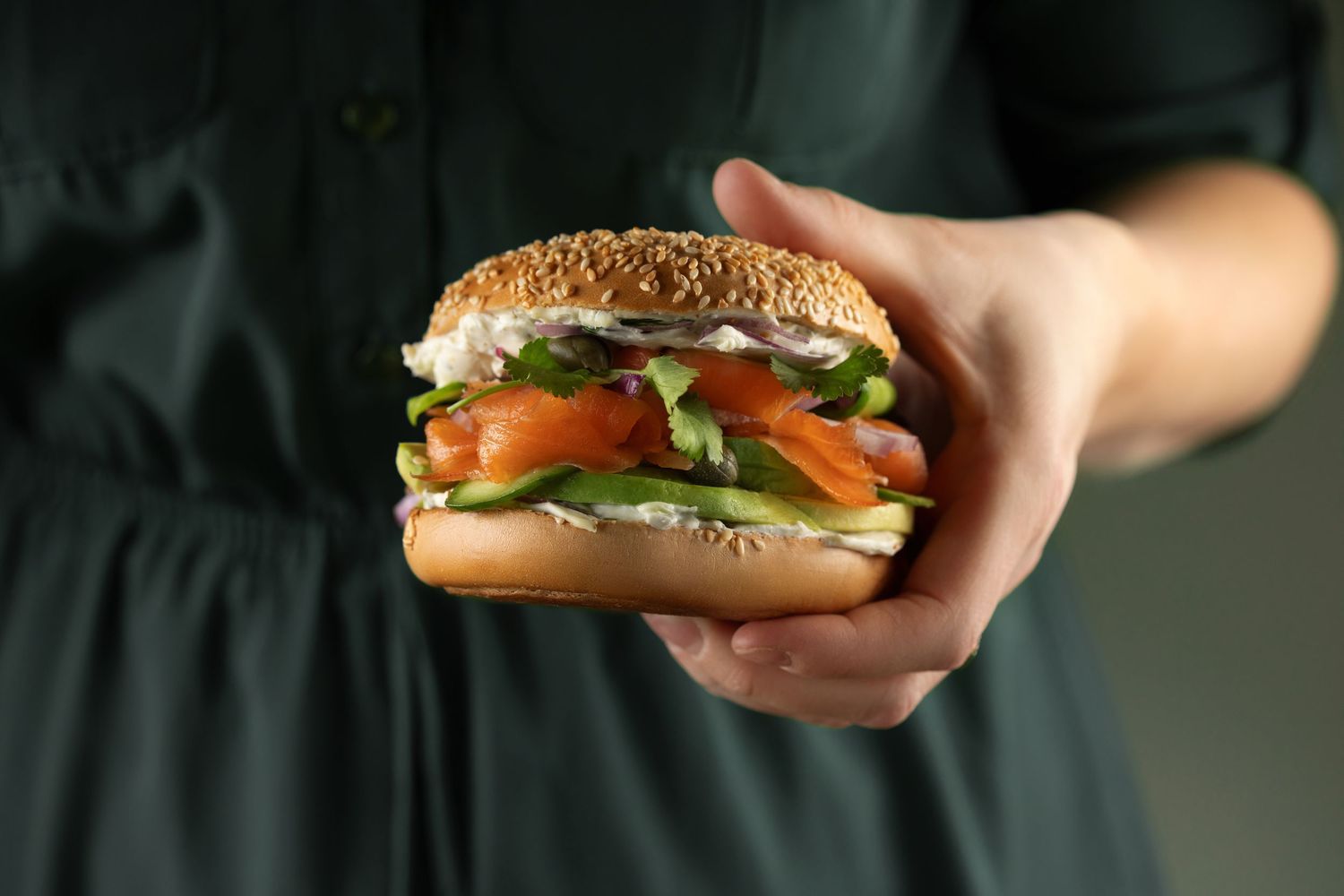
For one of my recent commercial shoots, I photographed a seafood product line.
My role went far beyond taking photos.
I was responsible for:
• sourcing and purchasing props that matched the brand’s visual style and color palette
• buying the products and additional ingredients
• preparing the dish from scratch
• handling all food styling on set to ensure the fish looked fresh and appetizing on camera
• finding and coordinating a model to hold and present the dish naturally during the shoot
Projects like this require careful planning, strong visual direction, and an understanding of how food, hands, and human presence work together in commercial imagery. Every detail in the frame was chosen intentionally to support the brand’s identity and create images ready for marketing, packaging, and online use.
That’s why photography doesn’t have a single fixed price.
It has a value — shaped by the idea, the scope, and the story you want your image to tell.
And yes… I’ll still happily answer the question:
“Okay, so how much will it cost?”
I just need to ask a few questions first 🙂
Photography may take only a fraction of a second to capture, but creating a strong, polished image often requires days of preparation and a coordinated team effort.
Enter a Heading
This is a paragraph. Click edit and enter your own text. You can make changes like making the text bold, underline or italic. This is a great place for you to tell your clients more about your story and to describe the type of photographer you are. You can come back at any time to make more changes.
